
Good sleep is essential for a child’s growth, mood, and learning. But for many parents, bedtime can be one of the most challenging parts of the day. From resisting bedtime to waking during the night, children’s sleep patterns can be unpredictable. This Sleeping Guide for Children offers practical, gentle strategies to help kids fall asleep faster, sleep longer, and wake up refreshed.
Why Sleep Matters for Children
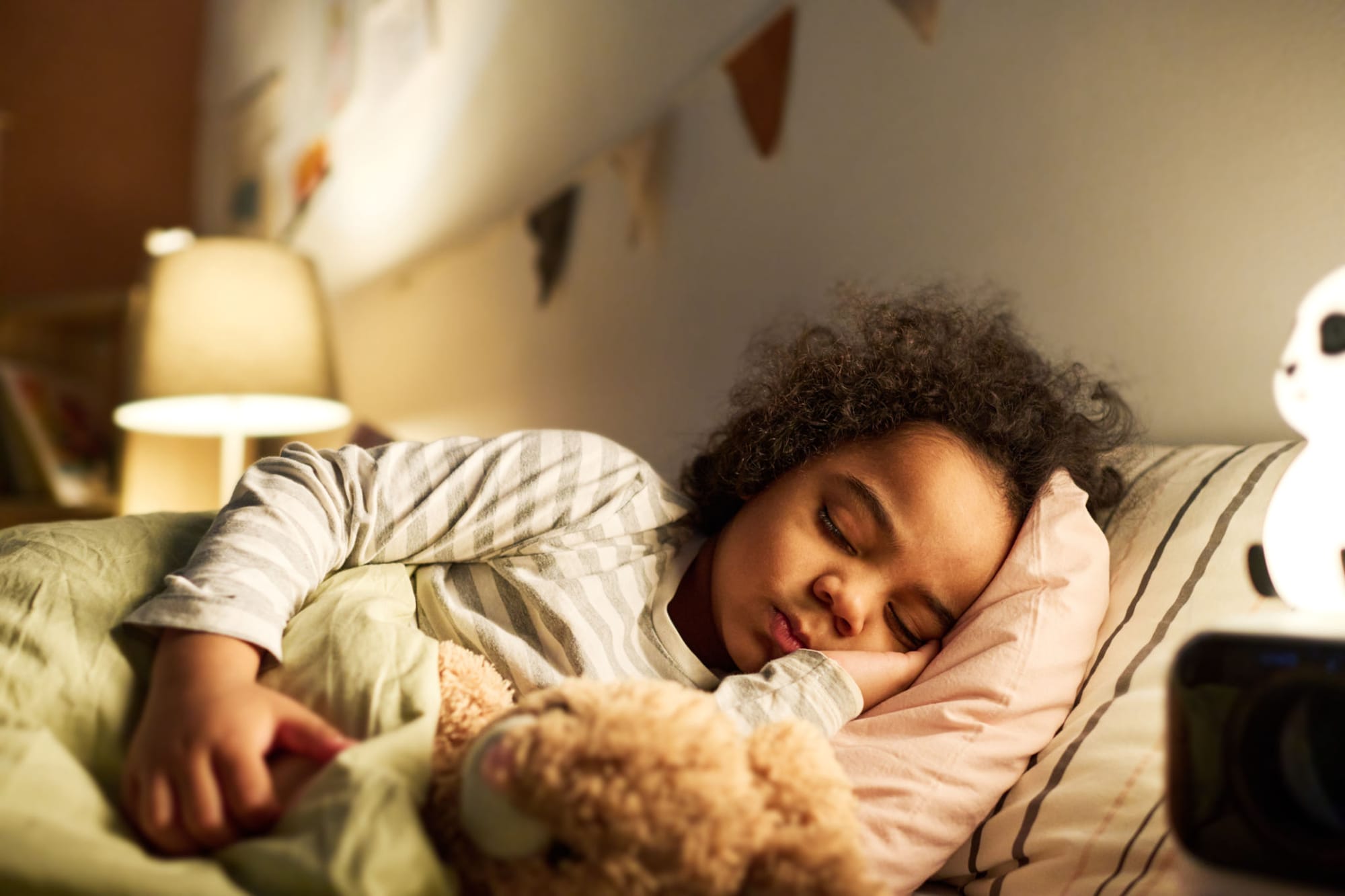
Children need more sleep than adults because their bodies and brains are developing rapidly.
Benefits of adequate sleep include:
• Healthy Growth – Growth hormones are released during deep sleep.
• Better Behavior – Well-rested kids are calmer and more cooperative.
• Improved Learning – Sleep enhances memory and concentration.
• Stronger Immune System – Quality rest helps fight off illness.

Recommended Sleep Hours by Age
| Age Group | Nighttime Sleep | Daytime Naps | Total Sleep |
| Newborn (0–3 months) | 8–9 Hours | 7-9 Hours | 14-17 Hours |
| Infant (4-11 months) | 9-12 Hours | 2-3 Hours | 12-15 Hours |
| Toddler (1-2 years) | 11-12 Hours | 1-2 Hours | 11-14 Hours |
| Preschool (3-5 years) | 10-13 Hours | 0-1 Hours | 10-13 Hours |
| School Age (6-13 years) | 9-11 hours | None | 9-11 Hours |
Creating the Perfect Sleep Environment
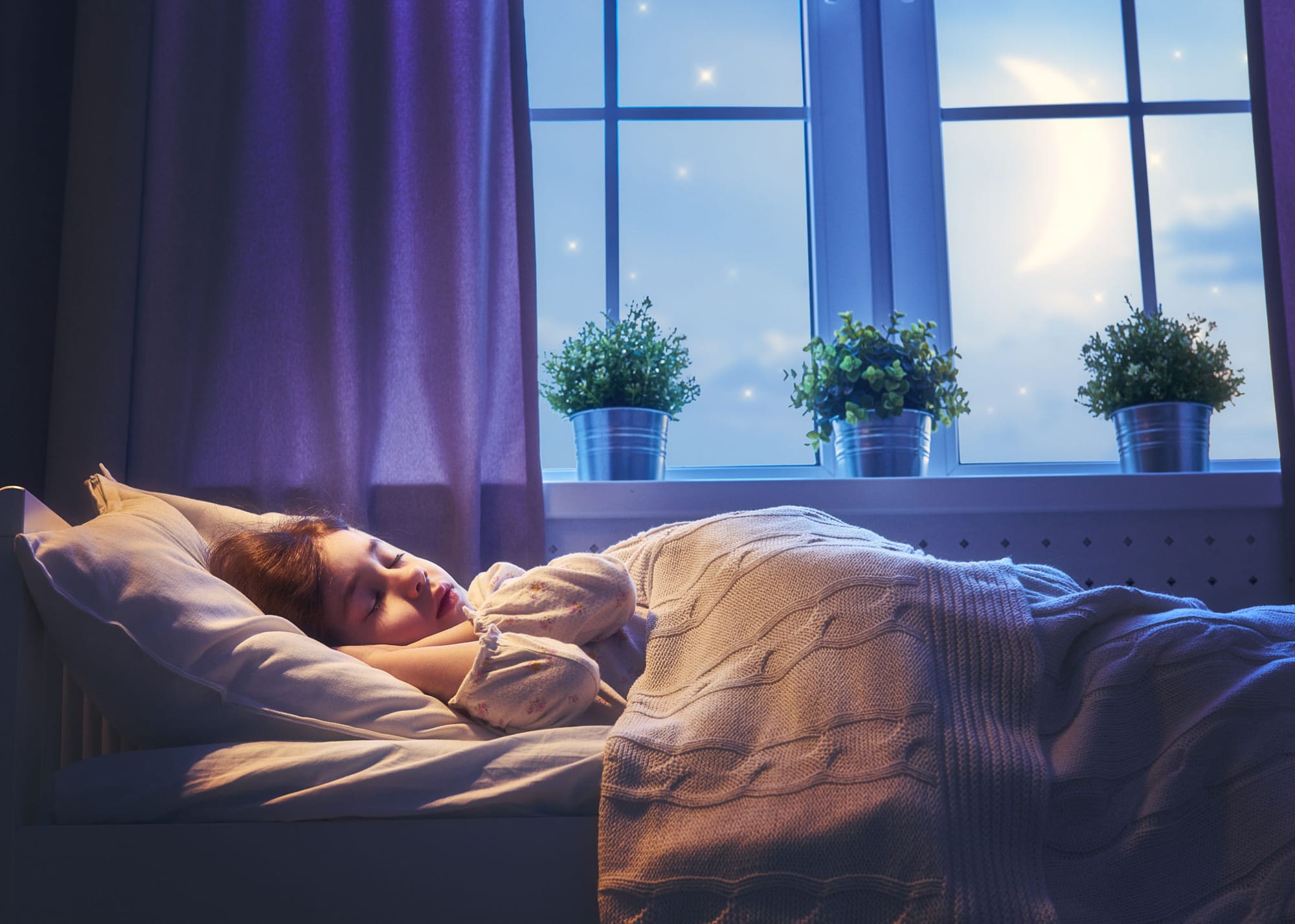
• Keep it Cool – Ideal temperature is 65–70°F (18–21°C).
• Dark and Quiet – Use blackout curtains and white noise if needed.
• Comfortable Bedding – Choose age-appropriate mattresses and soft, breathable sheets.
• Limit Distractions – Keep toys and electronics out of the bed.
Building a Healthy Bedtime Routine
Consistency is key when it comes to children’s sleep. A predictable bedtime routine signals to their body and mind that it’s time to wind down. Try:
• Wind-Down Activity – Reading a bedtime story, drawing, or light stretching.
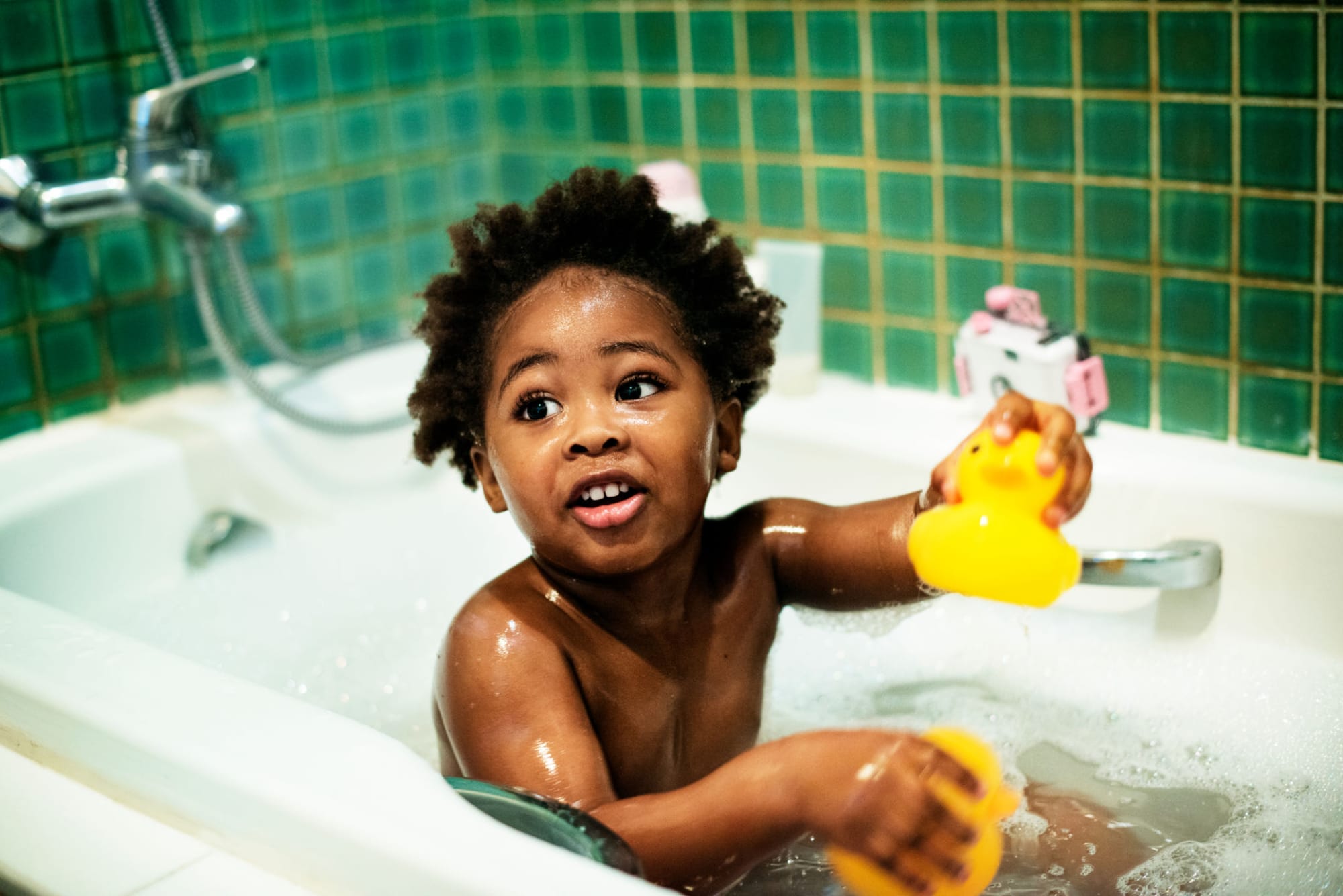
• Bath or Wash-Up – Warm baths help relax muscles.
• Comfort Object – A favorite stuffed animal or blanket.
• Dim Lights – Lower brightness 30 minutes before bed.
Managing Common Sleep Struggles
• Bedtime Resistance – Offer choices (e.g., which pajamas to wear) to give kids a sense of control.
• Night Wakings – Keep lights dim and interactions quiet so they learn it’s still bedtime.
• Early Waking – Use blackout curtains to block early morning light.
• Nightmares or Night Terrors – Reassure your child, and ensure bedtime is calm and stress-free.

Nutrition and Sleep
Certain foods and drinks can affect sleep quality:
• Avoid sugary snacks and caffeine (including chocolate) before bed.
• Offer calming snacks like a banana, warm milk, or whole grain crackers.
Teaching Self-Soothing Skills
Encourage children to fall asleep independently by:
• Putting them to bed drowsy but awake.
• Using gentle reassurance instead of rocking them fully to sleep.
• Gradually reducing parental presence over time.
Conclusion
A well-rested child is a happier, healthier child. By creating a calm sleep environment, sticking to a consistent bedtime routine, and addressing sleep challenges gently, you can help your child develop lifelong healthy sleep habits. This Sleeping Guide for Children isn’t about strict rules — it’s about building a loving, supportive atmosphere where good sleep comes naturally.
 i-Sleepy