
The Future of Rest: Top Sleep Technology Innovations You Need to Know
In today’s fast-paced world, quality sleep has become a luxury many people struggle to achieve. Thankfully, sleep technology is advancing rapidly—bringing science, AI, and design together to help us rest better. From smart beds to wearable trackers, here are the most exciting innovations transforming the way we sleep.
1. Smart Mattresses & Adjustable Beds
Forget traditional mattresses—smart beds are here to revolutionize sleep. Brands like Eight Sleep and Sleep Number use built-in sensors to monitor heart rate, breathing, and movement. Some even feature temperature regulation, adjusting throughout the night to keep you in your optimal sleep zone. Adjustable smart bases also respond to snoring by gently elevating your head, improving comfort and airflow.
2. Wearable Sleep Trackers
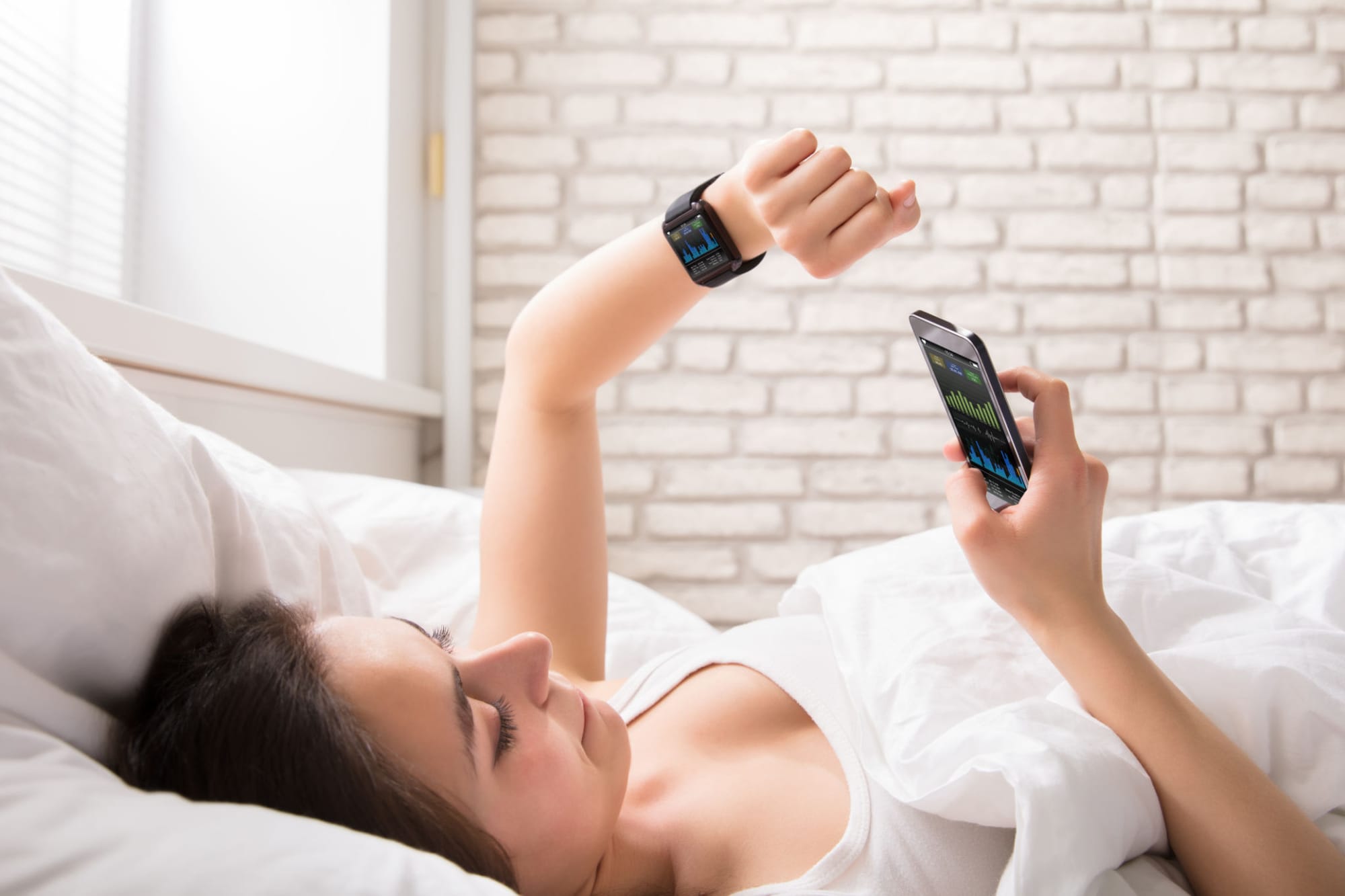
From the Oura Ring to the Apple Watch, wearable devices are becoming more advanced at monitoring sleep cycles, recovery, and heart rate variability. These trackers offer AI-powered insights that help you understand your sleep patterns and recommend changes for better rest. Unlike old-school sleep studies, wearables provide everyday data in a non-invasive way.
3. Contactless Monitoring Devices
For those who prefer not to wear anything to bed, radar-based sensors and under-mattress devices can track sleep without touching your body. Tools like the Google Nest Hub or Withings Sleep Mat detect snoring, breathing irregularities, and sleep stages—making them an excellent option for people looking for effortless tracking.
4. Light-Based Sleep Solutions
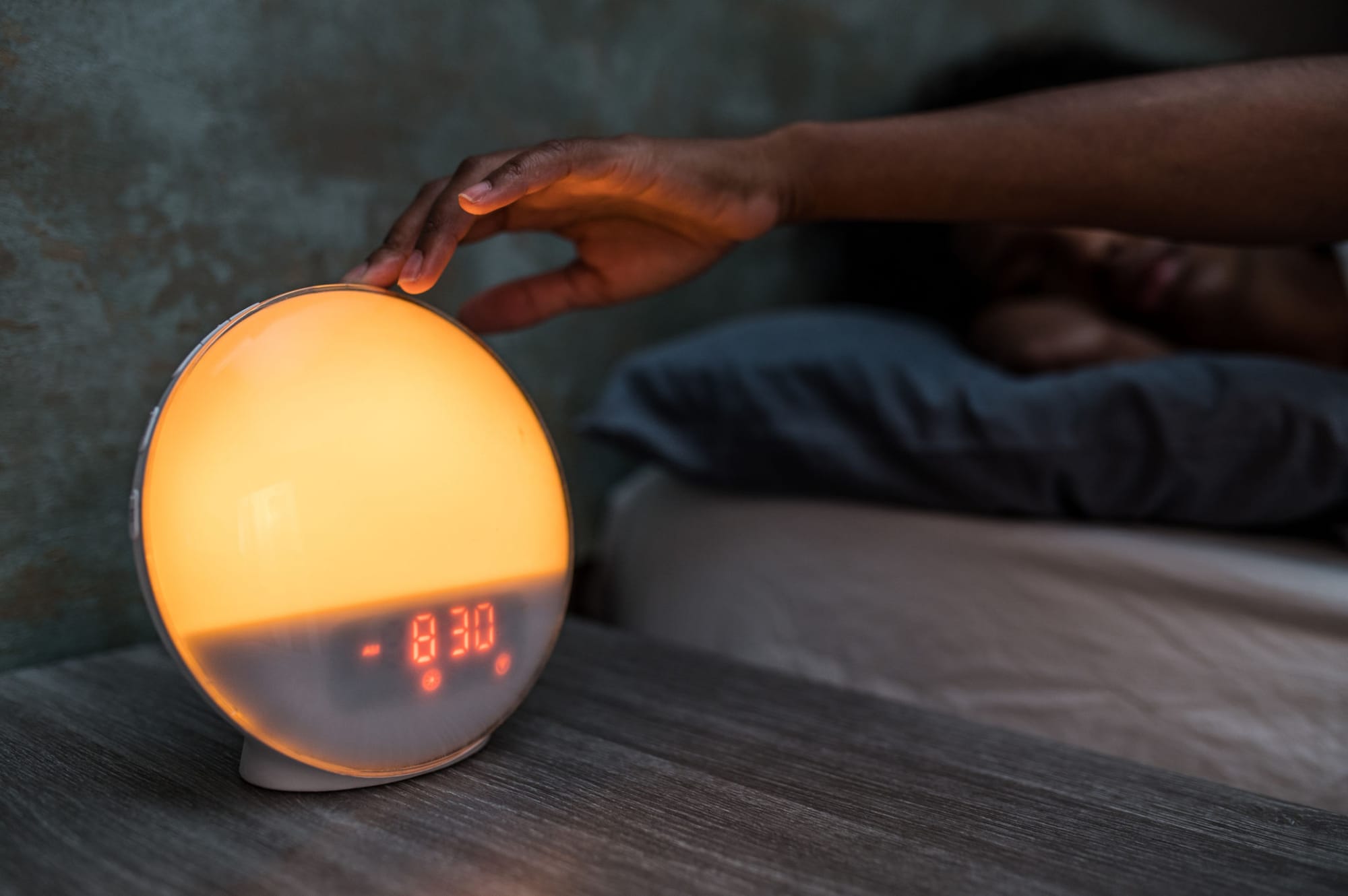
Our bodies are guided by natural light, but screens and late nights often disrupt this cycle. Smart lighting systems now simulate sunrise and sunset, helping your circadian rhythm stay in sync. Light therapy lamps and blue-light filtering devices are also gaining popularity, supporting melatonin production and improving overall sleep quality.
5. Smart Sound & Noise Control
Noise is one of the biggest culprits of poor sleep. To combat this, adaptive sound machines and AI-generated soundscapes create soothing environments that mask disturbances. For side sleepers, bone-conduction headphones provide a comfortable way to listen to relaxing music or guided meditations all night long.
6. Breathing & Relaxation Tech
Stress is a common sleep killer. New technologies like smart pillows, which adjust firmness or use gentle vibrations to improve posture, and breathing guidance wearables help users wind down more effectively. Paired with apps that recommend personalized relaxation exercises, these innovations are making bedtime more restorative.
7. Health-Integrated Sleep Tech
Beyond comfort, sleep technology is increasingly becoming a health tool. Portable diagnostic devices can now detect sleep apnea and other conditions from home. Many gadgets sync with health apps, providing holistic wellness insights and AI-driven coaching for long-term lifestyle improvements.

8. Futuristic Innovations on the Horizon
The future of sleep may sound like science fiction, but it’s closer than you think. Neurostimulation headbands are being tested to deepen sleep cycles, while aromatherapy diffusers can release calming scents at bedtime. Some experimental devices even aim to influence dreams—helping users achieve lucid dreaming or more positive nighttime experiences.
Final Thoughts
Sleep technology is no longer just about tracking—it’s about actively improving rest. Whether you’re struggling with insomnia, seeking better recovery, or simply wanting to optimize your nightly routine, these innovations are reshaping the way we sleep.
As research continues, the bedroom of the future may become a personalized wellness hub, where technology ensures every night is restorative.
 i-Sleepy